When exploring the enchanting city of Istanbul, one cannot help but be mesmerized by the stories woven into its iconic landmarks. Each monument stands as a testament to the city’s rich history and cultural tapestry, offering a glimpse into the past that shaped modern-day Istanbul.
One of the most fascinating landmarks in Istanbul is the Hagia Sophia, a structure that has witnessed the rise and fall of empires. Originally built as a Byzantine cathedral, it later transformed into an Ottoman mosque before becoming a museum. The Hagia Sophia’s architectural beauty and historical significance make it a must-visit for those eager to uncover the layers of Istanbul’s past.
Another gem nestled in the heart of Istanbul is the majestic Topkapi Palace. Once the opulent residence of Ottoman sultans, this sprawling complex exudes luxury and grandeur. Within its walls, tales of political intrigue and lavish lifestyles unfold, offering visitors a glimpse into the extravagant world of the Ottoman Empire.
As the sun sets over Istanbul, the Blue Mosque emerges as a beacon of spiritual heritage. Adorned with intricate blue tiles and stunning architecture, this mosque is not just a place of worship but a symbol of the city’s religious diversity. Stepping inside, one can feel the centuries of devotion that have shaped Istanbul’s cultural identity.
For a panoramic view of Istanbul’s sprawling beauty, one must ascend the Galata Tower. This medieval marvel has stood the test of time, offering visitors a glimpse into the city’s evolution through the centuries. From its origins as a watchtower to its modern-day role as a popular tourist attraction, the Galata Tower holds within its walls the stories of Istanbul’s past.
Hagia Sophia
When exploring Istanbul’s iconic landmarks, one cannot overlook the mesmerizing Hagia Sophia. This architectural marvel has a storied past, transitioning from a Byzantine cathedral to an Ottoman mosque before becoming a museum. The Hagia Sophia stands as a testament to the city’s diverse history and architectural ingenuity, drawing visitors from around the globe to witness its grandeur.
Stepping inside the Hagia Sophia is like stepping back in time, as the walls whisper tales of empires and conquests. The intricate mosaics and soaring dome showcase the craftsmanship of a bygone era, leaving visitors in awe of the sheer beauty and historical significance encapsulated within its walls.
One cannot help but marvel at the fusion of Byzantine and Ottoman influences that converge within the Hagia Sophia, creating a unique blend of architectural styles that symbolize Istanbul’s rich heritage. The spiritual aura that permeates the space invites contemplation and reflection, offering a glimpse into the religious tapestry that defines the city.
As visitors wander through the Hagia Sophia, they are greeted by the echoes of centuries past, each whispering a different story of triumph and transformation. From the intricate calligraphy adorning the walls to the majestic marble columns, every corner holds a piece of history waiting to be discovered and cherished.
For tourists seeking to delve into Istanbul’s vibrant past and immerse themselves in the cultural tapestry of the city, a visit to the Hagia Sophia is a must. It serves as a living testament to the enduring legacy of Istanbul, a place where history and art intertwine to create an experience that transcends time and space.
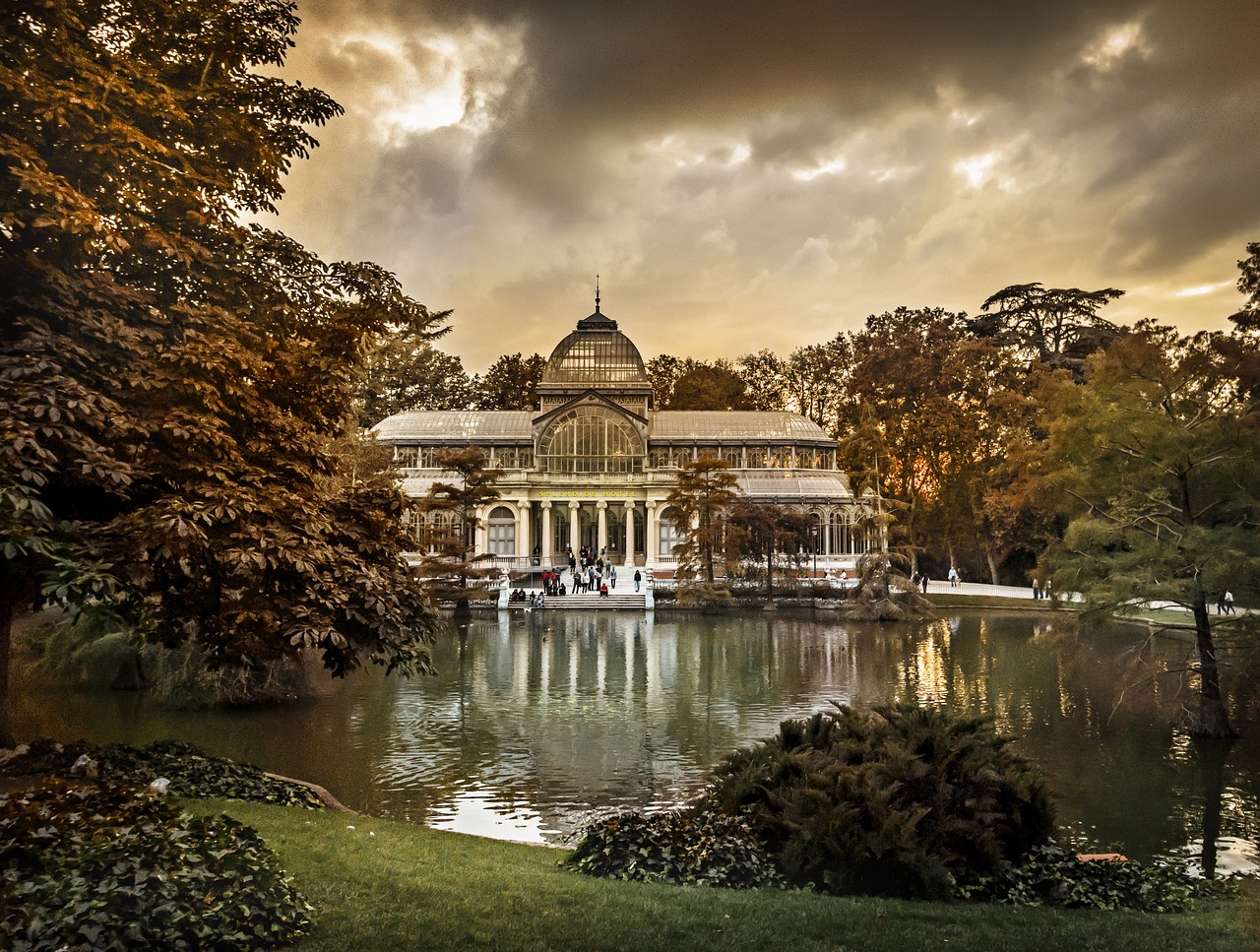
Topkapi Palace
When it comes to experiencing the grandeur and history of Istanbul, a visit to the magnificent Topkapi Palace is an absolute must. This sprawling complex, once the opulent residence of Ottoman sultans, offers a fascinating glimpse into the luxurious lifestyle and political intrigues that characterized the era. As you step through the imposing gates of Topkapi Palace, you are transported back in time to an era of splendor and power.
One of the most captivating aspects of Topkapi Palace is its stunning architecture, which seamlessly blends various influences from Byzantine, Ottoman, and Persian styles. The intricate details adorning the palace’s walls, courtyards, and chambers are a testament to the craftsmanship and artistic prowess of the era. Each room within the palace tells a story, from the lavish Harem quarters to the grand audience chambers where important decisions were made.
For history enthusiasts and culture aficionados, Topkapi Palace is a treasure trove of artifacts and relics that offer a glimpse into the past. The palace houses a remarkable collection of priceless treasures, including ornate jewelry, intricate ceramics, and ancient manuscripts. Walking through the corridors of Topkapi Palace, you can almost feel the echoes of the past reverberating through its hallowed halls.
As you explore the sprawling grounds of Topkapi Palace, don’t miss the opportunity to visit the Imperial Council Chamber, where the fate of empires was decided, or the tranquil gardens that offer a peaceful retreat from the bustling city outside. The palace’s strategic location overlooking the Bosphorus Strait adds to its allure, providing breathtaking views of the shimmering waters below.
Whether you are a history buff, an architecture enthusiast, or simply a curious traveler eager to uncover the secrets of Istanbul’s past, Topkapi Palace promises an unforgettable experience. Immerse yourself in the opulence and grandeur of this iconic landmark, and let the stories of emperors and sultans transport you to a bygone era of majesty and intrigue.
Blue Mosque
The Blue Mosque, officially known as the Sultan Ahmed Mosque, stands as a beacon of Islamic artistry and spiritual devotion in the heart of Istanbul. Its nickname, the Blue Mosque, is derived from the thousands of blue tiles adorning its interior, creating a mesmerizing effect that captivates visitors from around the world. As you step inside this architectural masterpiece, you are greeted by a sense of tranquility and awe, surrounded by intricate calligraphy and geometric patterns that reflect the deep-rooted traditions of Ottoman design.
For tourists seeking to immerse themselves in Istanbul’s rich cultural heritage, a visit to the Blue Mosque is an absolute must. The grandeur of its domes and minarets, coupled with the peaceful ambiance of its courtyard, offers a unique blend of architectural magnificence and spiritual serenity. Whether you are exploring the mosque’s expansive prayer hall or marveling at the delicate stained glass windows filtering colorful light into the sacred space, every corner reveals a story of devotion and artistic excellence.
One of the most striking features of the Blue Mosque is its six towering minarets, a rare sight that sets it apart from other mosques in the city. These minarets, along with the cascading domes and cascading arches, create a harmonious symphony of architectural beauty that leaves visitors in awe of the skill and craftsmanship of the artisans who built this masterpiece centuries ago.
As you wander through the courtyard of the Blue Mosque, you will encounter the ablution fountains where worshippers perform ritual cleansing before prayer, a sacred tradition that adds a sense of ritualistic purity to the spiritual experience. The peaceful sound of flowing water mingles with the soft murmur of prayers, creating a serene atmosphere that invites contemplation and reflection.
Visiting the Blue Mosque is not just a journey through architectural wonders; it is a spiritual pilgrimage that offers a glimpse into the soul of Istanbul. The blend of history, art, and faith embodied in this magnificent structure transcends time and space, inviting visitors to connect with the cultural tapestry that defines this vibrant city. So, for travelers seeking to delve into the essence of Istanbul’s spiritual heritage, the Blue Mosque stands as a living testament to the enduring legacy of Ottoman architecture and Islamic tradition.
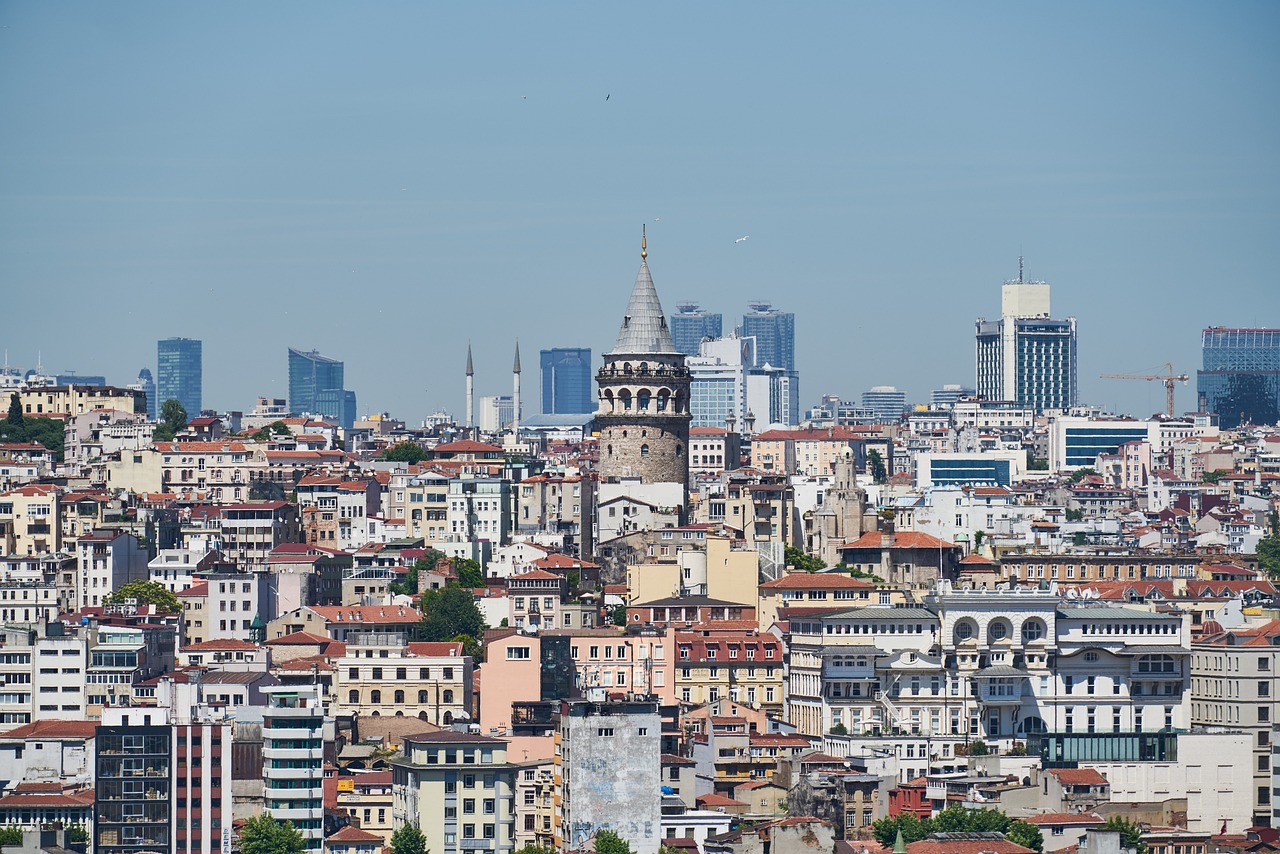
Galata Tower
When it comes to exploring the mesmerizing city of Istanbul, one cannot miss the iconic Galata Tower standing tall amidst the bustling streets. This historical landmark not only offers breathtaking panoramic views of the city but also holds within its ancient walls a myriad of captivating stories that have unfolded over the centuries. From its humble beginnings as a medieval watchtower to its transformation into a prominent tourist attraction, the Galata Tower has been a silent witness to the ever-changing landscape of Istanbul.
The Galata Tower, originally built in the 14th century by the Genoese, served as a crucial vantage point for spotting fires and approaching ships in the ancient port city. Over time, the tower underwent several renovations and additions, each layer adding to its rich tapestry of history. Today, visitors can ascend the tower’s spiraling staircase to reach the top, where a breathtaking view of Istanbul’s skyline awaits, offering a unique perspective on the city’s vibrant culture and architectural marvels.
Stepping into the Galata Tower is like stepping back in time, as its walls echo with the whispers of the past. From being used as a lookout point during the Byzantine era to functioning as a prison and observatory in later years, the tower has played diverse roles in Istanbul’s history. Its strategic location on the Galata Hill has made it a prominent landmark, drawing tourists and history enthusiasts alike to unravel its hidden mysteries.
For tourists seeking an immersive experience in Istanbul’s rich heritage, a visit to the Galata Tower is a must. The tower not only offers a glimpse into the city’s past but also serves as a reminder of the resilience and enduring spirit of Istanbul. As the sun sets over the Bosphorus, casting a golden glow on the ancient stones of the tower, one can’t help but feel a sense of awe at the timeless beauty and grandeur of this historic monument.
Frequently Asked Questions
- What is the best time to visit Istanbul’s landmarks?
The best time to visit Istanbul’s landmarks is during the spring and autumn months when the weather is mild and pleasant, allowing you to explore the outdoor sites comfortably.
- Are there guided tours available for these landmarks?
Yes, there are numerous guided tours available for Hagia Sophia, Topkapi Palace, Blue Mosque, and Galata Tower, offering insightful information and historical context to enhance your visit.
- Can I enter these landmarks for free?
While some landmarks may offer free entry on specific days or times, most require an admission fee for visitors. It’s advisable to check the official websites for updated ticket prices and entry requirements.
- Are these landmarks wheelchair accessible?
Efforts have been made to improve accessibility in these landmarks, but some areas may still pose challenges for wheelchair users. It’s recommended to inquire in advance about the specific accessibility features available.
- Do I need to dress modestly to visit these religious landmarks?
Out of respect for the religious significance of places like the Blue Mosque, visitors are advised to dress modestly, covering shoulders and knees. Scarves may be provided at the entrance for those who need to cover their heads.