When exploring Istanbul’s spiritual and historic sites, visitors are met with a tapestry of cultural richness and deep-rooted significance. The city stands as a bridge between East and West, offering a unique blend of historical landmarks and sacred sites that reflect its diverse heritage and religious traditions. Istanbul’s allure lies not only in its architectural marvels but also in the spiritual essence that permeates through its ancient streets.
One of the most iconic sites in Istanbul is the Hagia Sophia, a testament to the city’s layered history. Originally built as a Byzantine cathedral, later transformed into an Ottoman mosque, and now a museum, Hagia Sophia embodies a fusion of Christian and Islamic art and architecture. Its grand domes and intricate mosaics tell a story of cultural evolution and religious tolerance, making it a must-visit destination for history enthusiasts and art lovers alike.
As visitors venture further into Istanbul’s spiritual landscape, the Blue Mosque emerges as a beacon of Ottoman grandeur and Islamic devotion. Adorned with mesmerizing blue tiles and towering domes, this architectural masterpiece symbolizes the zenith of Ottoman architecture. Beyond its stunning aesthetics, the Blue Mosque serves as a place of worship for Muslims worldwide, offering a sanctuary for prayer and reflection amidst the bustling city.
Stepping into the Topkapi Palace is like entering a realm of opulence and intrigue, where the legacy of Ottoman sultans unfolds in lavish splendor. This sprawling complex, once the seat of Ottoman power, houses a treasure trove of artifacts, from exquisite jewelry to ancient manuscripts. The palace’s lush gardens and panoramic views of the Bosphorus Strait provide a glimpse into the luxurious lifestyle of the Ottoman rulers, inviting visitors to immerse themselves in a bygone era.
Amidst the bustling streets of Istanbul, the Chora Church stands as a hidden gem, adorned with exquisite mosaics that depict scenes from religious narratives. Originally a Byzantine monastery, the Chora Church showcases the intricate artistry and spiritual devotion of the Byzantine era. Its walls whisper tales of faith and creativity, offering a serene retreat from the city’s hustle and bustle.
Hagia Sophia
When it comes to spiritual and historic sites in Istanbul, Hagia Sophia stands out as a must-visit destination for tourists seeking a glimpse into the city’s rich cultural heritage. Originally built as a Byzantine cathedral in the 6th century, Hagia Sophia later transformed into an Ottoman mosque and now serves as a museum, blending elements of both Christian and Islamic art and history under one roof.
As you step inside Hagia Sophia, you are immediately struck by the grandeur of its architecture, with massive domes and intricate mosaics adorning the walls. The sheer size and beauty of the structure leave visitors in awe, offering a unique opportunity to witness the architectural marvels of both Byzantine and Ottoman empires in one place.
One of the most fascinating aspects of Hagia Sophia is its ability to transcend time and religious boundaries, making it a symbol of Istanbul’s diverse history and religious tolerance. The museum showcases a collection of artifacts that tell the story of its evolution from a Christian cathedral to an Islamic mosque, providing a deeper understanding of the city’s complex past.
For history enthusiasts and art lovers alike, Hagia Sophia offers a rare chance to immerse oneself in the fusion of different cultures and faiths, creating a truly mesmerizing experience that resonates with visitors on a spiritual level. The iconic structure continues to draw crowds from around the world, serving as a bridge between East and West, past and present.
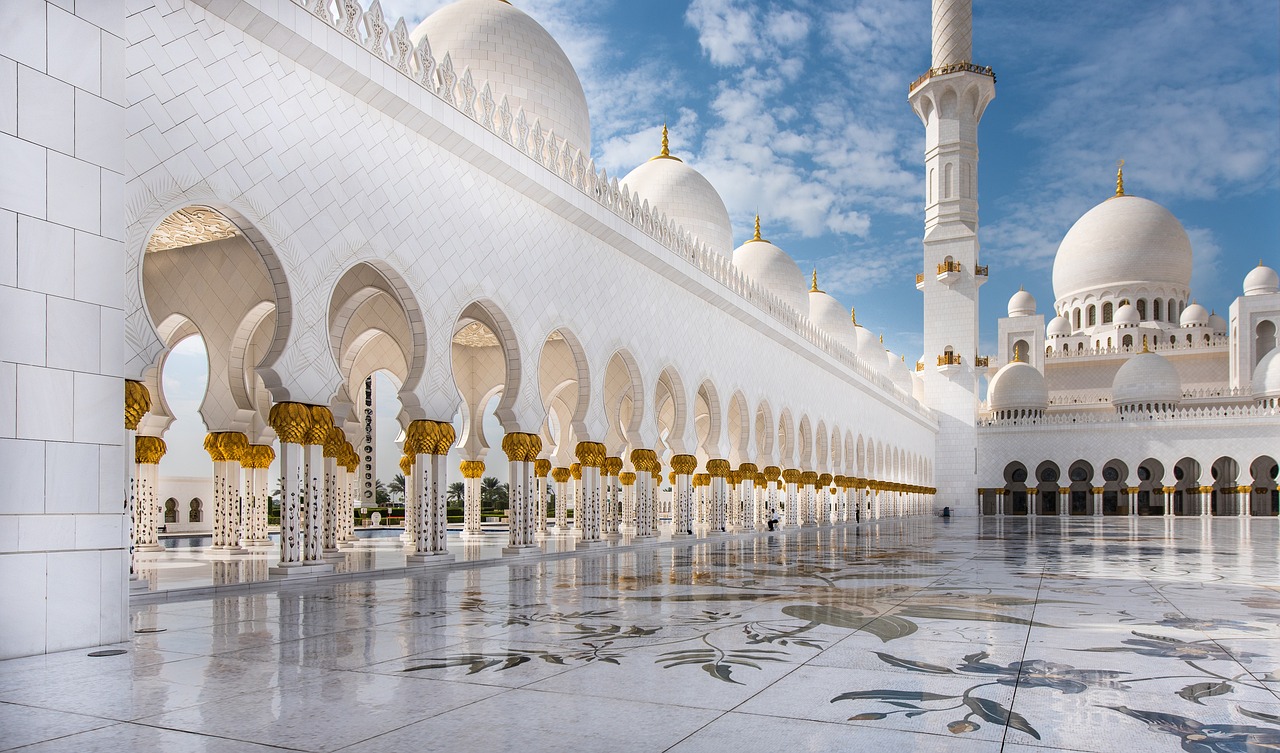
Blue Mosque
The , also known as Sultan Ahmed Mosque, is a stunning architectural masterpiece that stands as a symbol of Ottoman architecture and Islamic culture. Located in the heart of Istanbul, this magnificent mosque is a must-visit for tourists seeking to immerse themselves in the city’s rich history and spiritual significance.
As you step inside the Blue Mosque, you will be captivated by the intricate blue tiles that adorn the walls, giving the mosque its famous nickname. The grand domes and towering minarets create a sense of awe and reverence, inviting visitors to admire the beauty and craftsmanship of this architectural marvel.
Visitors can also experience the spiritual atmosphere of the Blue Mosque by witnessing the daily prayers performed by worshipers. The peaceful ambiance and sense of devotion that permeate the mosque offer a unique glimpse into the Islamic faith and its practices.
For those interested in the history of the Blue Mosque, exploring the inner courtyard and surrounding gardens can provide insights into the significance of this sacred site. The architectural details and decorative elements reflect the cultural richness and artistic sophistication of the Ottoman era.
Moreover, the Blue Mosque serves as a place of worship for Muslims from around the world, making it a central hub for spiritual gatherings and community events. Tourists can witness the harmony and diversity of Islamic traditions as they observe the rituals and ceremonies conducted within the mosque.
In conclusion, the Blue Mosque stands as a testament to Istanbul’s cultural heritage and religious significance, offering visitors a profound and enlightening experience. Whether you are a history enthusiast, an art lover, or a spiritual seeker, a visit to the Blue Mosque promises to be a memorable and enriching journey through the heart of Istanbul.
Topkapi Palace
When it comes to exploring the historical wonders of Istanbul, stands out as a must-visit destination for tourists seeking a glimpse into the opulent lives of Ottoman sultans. This magnificent palace, perched on a hill overlooking the Bosphorus Strait, offers visitors a unique opportunity to immerse themselves in the lavish lifestyle of the Ottoman Empire.
As you step through the gates of Topkapi Palace, you are transported back in time to an era of grandeur and sophistication. The sprawling complex is a treasure trove of exquisite artifacts, including dazzling jewels, ornate robes, and priceless manuscripts, showcasing the wealth and power of the Ottoman rulers.
One of the highlights of a visit to Topkapi Palace is the chance to wander through its lush gardens, where colorful flowers bloom amidst tranquil fountains and towering cypress trees. The serene atmosphere of the gardens provides a peaceful retreat from the bustling city streets, allowing visitors to relax and soak in the beauty of their surroundings.
For history enthusiasts, the palace offers a fascinating insight into the political intrigues and courtly ceremonies of the Ottoman court. The intricately decorated chambers and halls are adorned with intricate tile work, delicate carvings, and stunning frescoes, reflecting the artistic prowess of the era.
Moreover, the panoramic views of the Bosphorus from Topkapi Palace are simply breathtaking, offering a stunning backdrop for capturing memorable photos and creating lasting memories. The sight of the glistening strait and bustling city below is sure to leave visitors in awe of Istanbul’s beauty and historical significance.
Whether you are a history buff, a nature lover, or simply a curious traveler, Topkapi Palace promises a truly unforgettable experience that combines luxury, history, and natural beauty in one spectacular setting. So, don’t miss the chance to explore this magnificent palace and immerse yourself in the rich tapestry of Istanbul’s past.
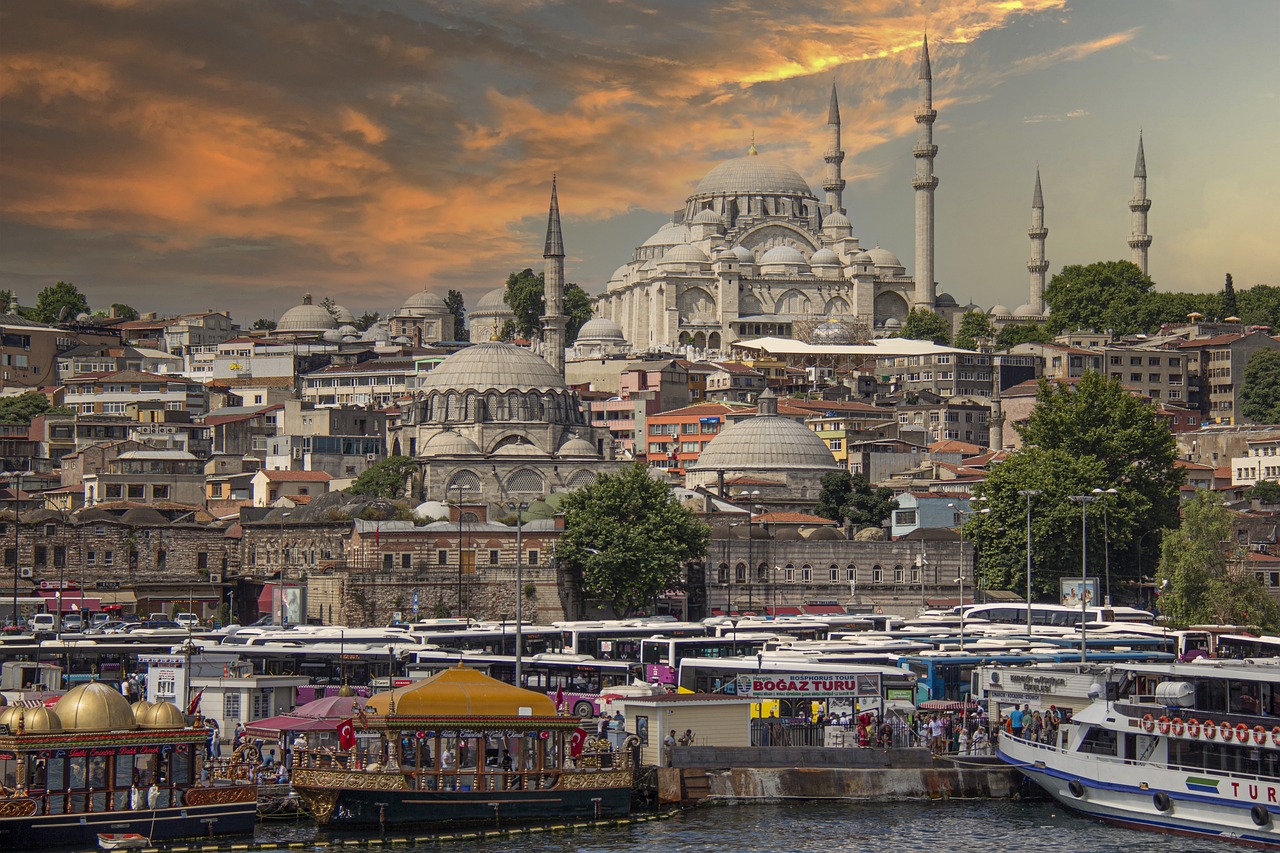
Chora Church
The Chora Church, also known as Kariye Museum, is a hidden gem in Istanbul that mesmerizes visitors with its stunning collection of Byzantine mosaics and frescoes. This historical site, located in the Edirnekapı neighborhood, offers a unique glimpse into the artistic and spiritual heritage of the Byzantine Empire. As you step inside the Chora Church, you are transported back in time to a period of artistic flourishing and religious devotion.
The intricate mosaics adorning the walls and ceilings of the Chora Church depict scenes from the life of Christ, the Virgin Mary, and various saints. Each mosaic tells a story, capturing the essence of Byzantine religious beliefs and traditions. The level of detail and artistry in these mosaics is truly awe-inspiring, showcasing the skill and creativity of the Byzantine artists who created them.
One of the most famous mosaics in the Chora Church is the Deesis, which portrays Christ flanked by the Virgin Mary and John the Baptist, inviting visitors to reflect on the divine presence and grace. The Resurrection mosaic is another masterpiece that vividly illustrates the triumph of life over death, symbolizing hope and renewal.
Aside from the mosaics, the Chora Church also features exquisite frescoes that adorn the interior walls, adding another layer of artistic richness to the site. These frescoes depict scenes from the Old and New Testaments, offering a visual narrative of biblical stories and teachings.
Visitors to the Chora Church can marvel at the harmonious blend of art and spirituality, experiencing a sense of peace and contemplation in this sacred space. The serene atmosphere of the church invites quiet reflection and appreciation for the cultural heritage it preserves.
Exploring the Chora Church is not just a journey through history; it is a spiritual experience that connects visitors to the past and the divine. As you wander through the corridors and chambers of this architectural marvel, you can’t help but feel a sense of wonder at the beauty and significance of the artwork that surrounds you.
Whether you are an art enthusiast, a history buff, or a spiritual seeker, the Chora Church offers something truly special for every visitor. It is a testament to the enduring legacy of Byzantine art and culture, inviting you to delve into a world of beauty and meaning that transcends time.
Frequently Asked Questions
- What is the best time to visit Istanbul’s spiritual and historic sites?
The best time to visit Istanbul’s spiritual and historic sites is during the spring and autumn months when the weather is mild, and the crowds are not as overwhelming. This allows you to explore the landmarks comfortably and appreciate their beauty without the peak season rush.
- Are there any specific dress codes to follow when visiting these sites?
Yes, when visiting religious sites like the Hagia Sophia and the Blue Mosque, it is important to dress modestly out of respect for the religious significance of these places. Both men and women should ensure their shoulders and knees are covered, and women may also need to cover their heads with a scarf.
- How can I navigate between these historic sites efficiently?
One of the best ways to navigate between Istanbul’s historic sites is by using public transportation such as trams or buses. These modes of transport are cost-effective and can easily take you to most of the major landmarks in the city. Additionally, walking between sites in the historic center can also be a pleasant way to explore the city.
- Are there any guided tours available for these sites?
Yes, there are numerous guided tours available for Istanbul’s spiritual and historic sites. These tours can provide you with in-depth knowledge about the history and significance of each landmark, allowing you to gain a deeper appreciation for the cultural heritage of the city. You can choose from group tours or private tours based on your preferences.